

 By
Updated: October 2026
“Is Guatemala safe?” is one of the questions I get asked most. The honest answer is that Guatemala has real security problems, but the vast majority of travelers visit Antigua, Lake Atitlán and Tikal without any trouble at all. The difference usually comes down to knowing where not to go, how to get around and a few simple habits. Here’s what the situation looks like in 2026 and my 21 tips for safe travel in Guatemala.
This post contains affiliate links. If you book through them, I may earn a small commission at no extra cost to you. Thank you for supporting vivelaversion!

Is Guatemala safe to visit in 2026?
At the time of writing, the U.S. State Department rates Guatemala as Level 3: Reconsider Travel because of crime, a rating that has been in place since late 2024. It also lists a few areas as Do Not Travel: Zone 18 of Guatemala City, the city of Villa Nueva, and the departments of San Marcos and Huehuetenango outside their main towns. None of these are on the usual tourist route.
In January 2026, Barrio 18 gang members rioted in several prisons and carried out attacks on police in Guatemala City, and the government declared a temporary nationwide state of siege. Antigua and Lake Atitlán remained calm during that period, and authorities have since reported falling homicide and extortion figures. Still, it’s a reminder to check the latest advisory from your own government right before you travel, because the situation can change quickly.
Most violent crime in Guatemala is linked to gangs and drug trafficking and is concentrated in specific neighborhoods and border areas. What travelers are far more likely to encounter is petty crime: pickpocketing, bag snatching, phone theft and the occasional scam. The good news is that this is exactly the kind of risk you can reduce with preparation.
Myths and reality
- “Guatemala is too dangerous for tourists.” Hundreds of thousands of visitors travel the classic route every year. Tourist areas have a visible police presence, including the tourist police.
- “It’s only safe on an organized tour.” Independent travel is very doable, as long as you use reliable transport and avoid the risky areas listed above.
- “Nothing can happen in Antigua.” Antigua is one of the safest places in the country, but petty theft still happens there, especially at night and on quiet streets on the edge of town.
🛡️ Where to stay in Guatemala (popular, well-reviewed areas)
- Antigua: the most popular base for travelers, walkable and full of hotels
- Panajachel (Lake Atitlán): the main lakeside town
- Flores: a small island town and the gateway to Tikal
Before you go
1. Check the latest advisory
Read your government’s travel advice a few days before departure, and if you’re a U.S. citizen, sign up for the Smart Traveler Enrollment Program (STEP) to receive alerts.
2. Get travel insurance
Choose a policy that covers theft, medical emergencies and adventure activities like volcano hikes. Private hospitals in Guatemala City and Antigua are good but expensive.
3. Keep copies of your documents
Save photos of your passport, insurance and bookings in the cloud, and carry a photocopy of your passport so the original can stay in your hotel safe.
4. Book your first night and airport transfer in advance
Most flights land at La Aurora International Airport in Guatemala City. Arrange a transfer to Antigua through your hotel or a reputable shuttle company, especially if you arrive at night, and avoid hailing taxis on the street.
Getting around safely

5. Use tourist shuttles
Shared tourist shuttles connect Guatemala City, Antigua, Lake Atitlán, Lanquín and Flores, and they pick you up at your hotel. They’re the safest and most comfortable way to follow the classic route, and they’re still affordable.
6. Skip the chicken buses with luggage
The brightly painted old school buses are a Guatemalan icon, but they are crowded and have a history of robberies and accidents. Take a photo of one, but don’t ride them with your backpack, and never on long routes or at night.
7. Don’t travel by road at night
Plan your journeys so you arrive before dark. Roads are mountainous and poorly lit, and most highway robberies happen after sunset.
8. Use ride-hailing apps or hotel taxis
In Guatemala City, apps like Uber are generally a safer option than street taxis. Elsewhere, ask your hotel to call a taxi they trust.
9. Take tuk-tuks for short trips
In Antigua and the lake towns, tuk-tuks are a cheap and practical way to get back to your hotel after dark. Agree on the price before you get in.

🚐 Browse guided tours with transport included →
Money and valuables
10. Leave the valuables at home
Expensive jewelry, watches and designer bags make you a target. Bring what you need and keep the rest in your hotel safe.
11. Use ATMs inside banks or malls
Withdraw cash during the day from ATMs inside banks, shopping centers or supermarkets, and cover the keypad. Avoid standalone ATMs on the street, especially at night.
12. Split your cash and cards
Keep a small amount of money in your pocket for the day and the rest in different places, so a single theft doesn’t leave you without money.
13. Watch your phone
Phone snatching is one of the most common crimes. Don’t walk along looking at your phone near the curb, and be careful when taking photos in crowded markets.

14. Protect your laptop and electronics
If you work while traveling, choose accommodation with a safe or lockers, don’t leave devices unattended in cafés, and back up your files regularly.
Tours and activities
15. Hike volcanoes with a registered guide
Hikes like Pacaya and Acatenango should always be done with a licensed guide or a reputable tour company, never on your own. The same goes for viewpoints like Cerro de la Cruz in Antigua: go in the morning and with other people.

16. Take lake boats in the morning
On Lake Atitlán, the afternoon wind known as xocomil can make the water very rough. Travel between villages in the morning when you can, and use the public lanchas that leave from official docks.
17. Don’t hike around Lake Atitlán alone
Some trails between the lake villages, and the sunrise hike to Indian Nose, have had robberies in the past. Go with a local guide or a group.

✅ Compare reviewed tours with fixed prices →
Everyday tips
18. Keep a low profile
Dress casually and respectfully, avoid showing off cash, and ask permission before photographing people, especially in Indigenous communities and children.
19. Avoid demonstrations and crowds
Protests and road blockades happen from time to time. Stay away from them, follow local news and ask your hotel for updates if you hear about one.
20. Know who to call
Learn a few phrases in Spanish and save the tourist assistance line of PROATUR, Guatemala’s tourist assistance program run by INGUAT, which you can reach by dialing 1500. The tourist police also patrol Antigua and other popular areas.
21. Trust your instincts and never resist a robbery
If a street feels empty or a situation doesn’t feel right, turn around or take a tuk-tuk. And if someone tries to rob you, hand over what they ask for: nothing you carry is worth more than your safety.

So, should you go?
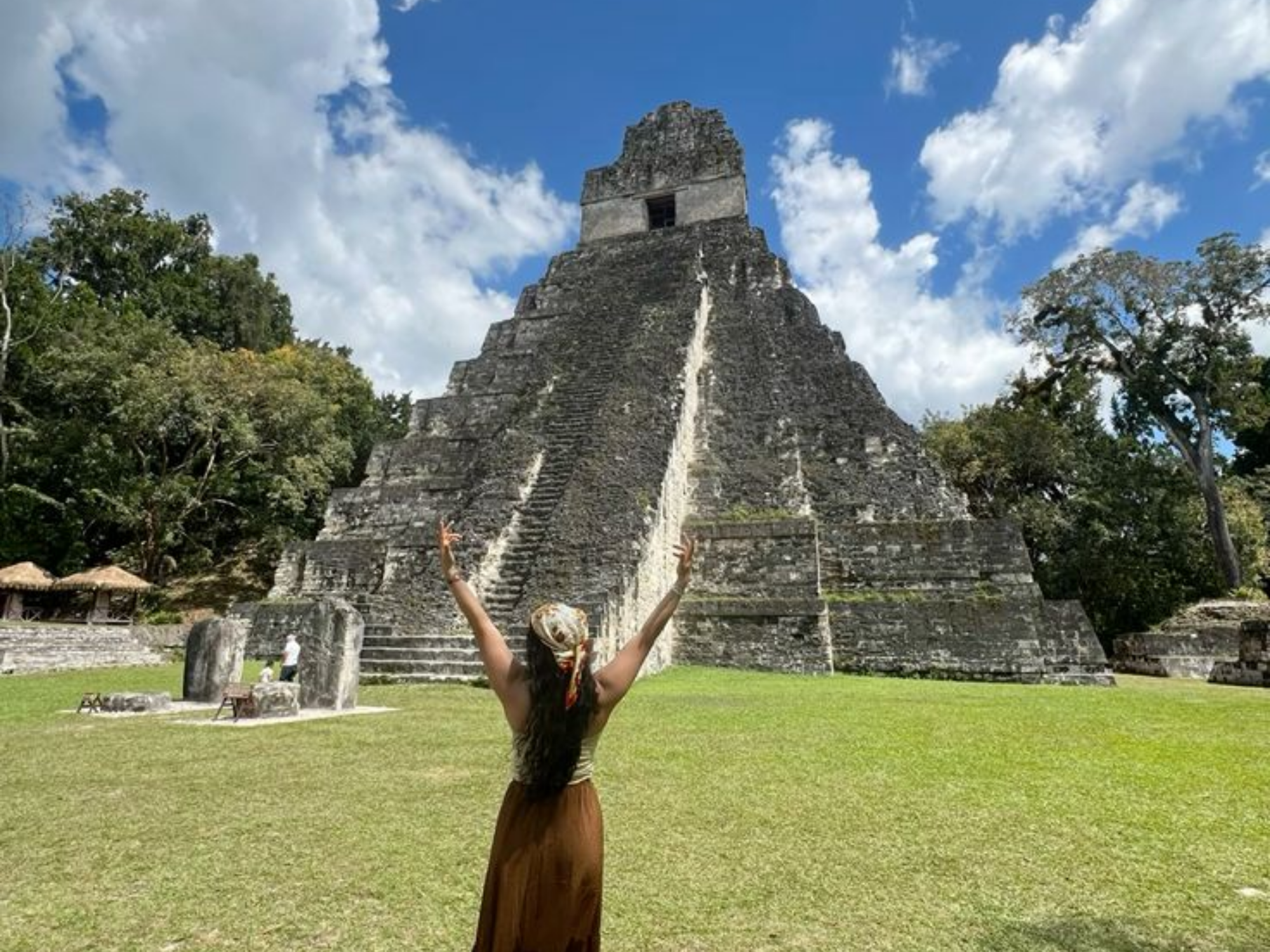
For most travelers, yes. Guatemala is one of the most rewarding countries in Latin America, and by sticking to the main tourist areas, using reliable transport and following these tips, you’ll greatly reduce the risks. Check the latest advisory before you go, plan your route carefully, and you’ll be free to enjoy the volcanoes, lakes and Mayan ruins that make this country so special.
✈️ Planning your Guatemala trip?

1 Comment